
Time Off Editing has announced continued refinement of its real estate photo editing processes, reflecting broader changes in how property visuals are prepared, reviewed, and presented across digital listing platforms. The announcement highlights the growing importance of structured image processing in supporting clarity, consistency, and accurate representation within real estate communication, where visual content frequently serves as a primary point of contact between properties and potential viewers.
According to Time Off Editing, Real Estate Photography has evolved beyond basic image capture. With property listings increasingly consumed through online portals, mobile applications, and virtual tours, the quality and reliability of visual presentation now directly influence how information is interpreted. The company notes that photo editing has become a technical discipline that balances visual enhancement with factual representation, requiring defined workflows, standardized review practices, and careful documentation. In this context, the company’s real estate photo editing practices are designed to reflect industry expectations for accuracy, consistency, and long-term usability of visual assets.
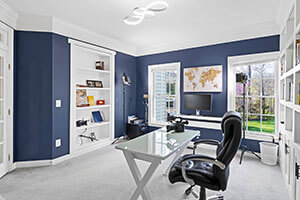
Time Off Editing’s real estate photo editing service is built around preserving architectural accuracy while improving visibility and balance within an image. Rather than altering fundamental property features, the editing process focuses on correcting exposure inconsistencies, lens distortion, color balance, and perspective issues that commonly arise during on-site photography. These adjustments aim to reflect how a space would appear under neutral viewing conditions, helping viewers better understand layout, scale, and spatial relationships. This emphasis on visual accuracy upholds the integrity of property representation and helps support informed decision-making by potential buyers and renters.
Lighting correction remains a central component of real estate image processing. Natural and artificial lighting conditions can vary widely within a single property, especially in spaces with large window surfaces or mixed lighting sources. The structured editing workflow includes techniques designed to reduce harsh shadows, balance highlights and midtones, and correct areas of overexposure without introducing artificial lighting effects. Time Off Editing explains that this approach supports visual continuity across photo sets, allowing viewers to interpret each image within a consistent visual context.
Color consistency is another area addressed in the announcement. Inconsistent color representation can lead to misinterpretation of materials, finishes, and spatial atmosphere. Time Off Editing’s real estate photo editing process includes calibrated color correction steps that align wall tones, flooring, fixtures, and other surface details with realistic reference values. This ensures that images remain visually coherent across different devices and viewing environments, helping to minimize miscommunication and support accurate visual documentation of property features.
Perspective correction is identified as an essential technical requirement in property imagery. Wide-angle lenses, which are often used to capture interior spaces, can introduce distortion that affects vertical lines, proportions, and perceived geometry. Time Off Editing notes that its editing service includes geometric alignment techniques to correct these distortions, allowing walls, door frames, windows, and architectural details to appear structurally accurate. These adjustments contribute to viewer trust by presenting spaces in ways that align with physical reality rather than exaggerated or inconsistent perspectives.
The announcement further discusses the handling of exterior property images. Outdoor photography often involves complex variables such as weather conditions, time of day, and environmental obstructions. Time Off Editing explains that exterior image processing focuses on achieving tonal balance, sky consistency, and landscape clarity while maintaining the integrity of the surrounding environment. Adjustments are applied conservatively to avoid misrepresenting seasonal conditions, permanent features, or site characteristics. This approach ensures that external visuals communicate accurate context without misleading visual enhancements.
As listing platforms increasingly support high-resolution imagery, Time Off Editing notes that its workflows are structured to manage large file formats while maintaining performance efficiency. Images are optimized for multiple output requirements, including online listings, printed brochures, and internal project documentation, without compromising detail or clarity. This capability allows property visuals to remain effective across a range of viewing conditions and end-user needs.
Consistency across photo sets is emphasized as a recurring requirement in real estate marketing. Time Off Editing explains that individual images are rarely viewed in isolation; instead, they form part of a larger visual narrative. The editing process includes batch-level consistency checks to ensure uniform brightness, color temperature, contrast, and tonal balance across all images associated with a property. These structured review practices help prevent visual disruption when users browse through galleries and support a cohesive presentation that aligns with professional listing standards.
Turnaround reliability is also addressed in the announcement. Real estate timelines often depend on synchronized marketing schedules, including property listing launches, promotional campaigns, and broker presentations. Time Off Editing’s internal workflows are designed to support predictable processing stages, quality checks, and delivery timelines. This structured approach allows stakeholders to plan listing publication and promotional activity without uncertainty related to image availability, helping to minimize delays and support timely market entry.
The role of editing standards in compliance and transparency is another topic of focus. Time Off Editing states that its practices adhere to guidelines that avoid misleading alterations, particularly in contexts where accurate spatial representation is essential. Structural elements, permanent fixtures, and spatial dimensions are preserved as captured, with editing limited to technical improvements that enhance clarity. This alignment with ethical practices supports industry expectations regarding truthful visual representation in property marketing.
Visual accessibility is further identified as an important consideration. Property listings are viewed across a wide range of devices, from large desktop monitors to mobile screens, and image edits must remain legible and informative across these formats. Time Off Editing explains that its output formats are tested across multiple display environments to ensure that visual details remain visible without excessive compression artifacts or loss of clarity. This approach supports effective communication of property features regardless of how potential viewers access the content.
Integration of real estate photo editing into broader marketing and operational workflows is also discussed. Edited images often feed into virtual tours, floor plan overlays, listing management systems, and web content frameworks. Time Off Editing states that its service supports these integrations by maintaining consistent naming conventions, aspect ratios, file structures, and metadata practices, reducing friction during downstream use. This structured approach helps ensure that visual assets are readily aligned with other components of property presentation and marketing technology stacks.
Quality assurance is emphasized as an ongoing priority in the announcement. Time Off Editing explains that each image set undergoes multiple review stages to verify alignment with editing guidelines and client specifications. These evaluations incorporate both visual assessments and technical checks, helping to identify inconsistencies, alignment issues, or technical artifacts before final delivery. Structured quality review practices support reliability and consistency across projects of varying sizes and complexities.
Feedback mechanisms are addressed as an important component of continuous process improvement. Time Off Editing notes that input from photographers, real estate agents, property managers, and marketing teams contributes to the periodic review and refinement of editing guidelines. By evaluating changes in listing platform requirements, display technologies, and visual preferences, the company aims to ensure that its practices remain aligned with current usage patterns and professional standards.
The announcement also acknowledges the diverse range of property types that require tailored visual treatment. Residential homes, commercial properties, and mixed-use developments each present unique challenges related to scale, spatial complexity, and environmental context. Time Off Editing explains that its editing parameters can be adapted based on property category to provide appropriate emphasis and representation without introducing stylistic inconsistency across different project types.
Time Off Editing concludes that real estate photo editing has evolved into a foundational component of property communication rather than a supplemental task. As digital listings continue to shape how properties are evaluated and understood, the company’s ongoing focus remains on maintaining accuracy, consistency, and technical reliability within visual presentation. By fostering structured image processing practices that support informed viewing and transparent representation, Time Off Editing seeks to align its workflows with the evolving needs of real estate professionals, listing platforms, and property audiences.
For more information, visit:
###
For more information about Time Off Editing, contact the company here:
Time Off Editing
Daren
info@timeoffedit.com